Revolutionizing Nursing Care: The Transformative Impact of Innovative Bed Shower Systems
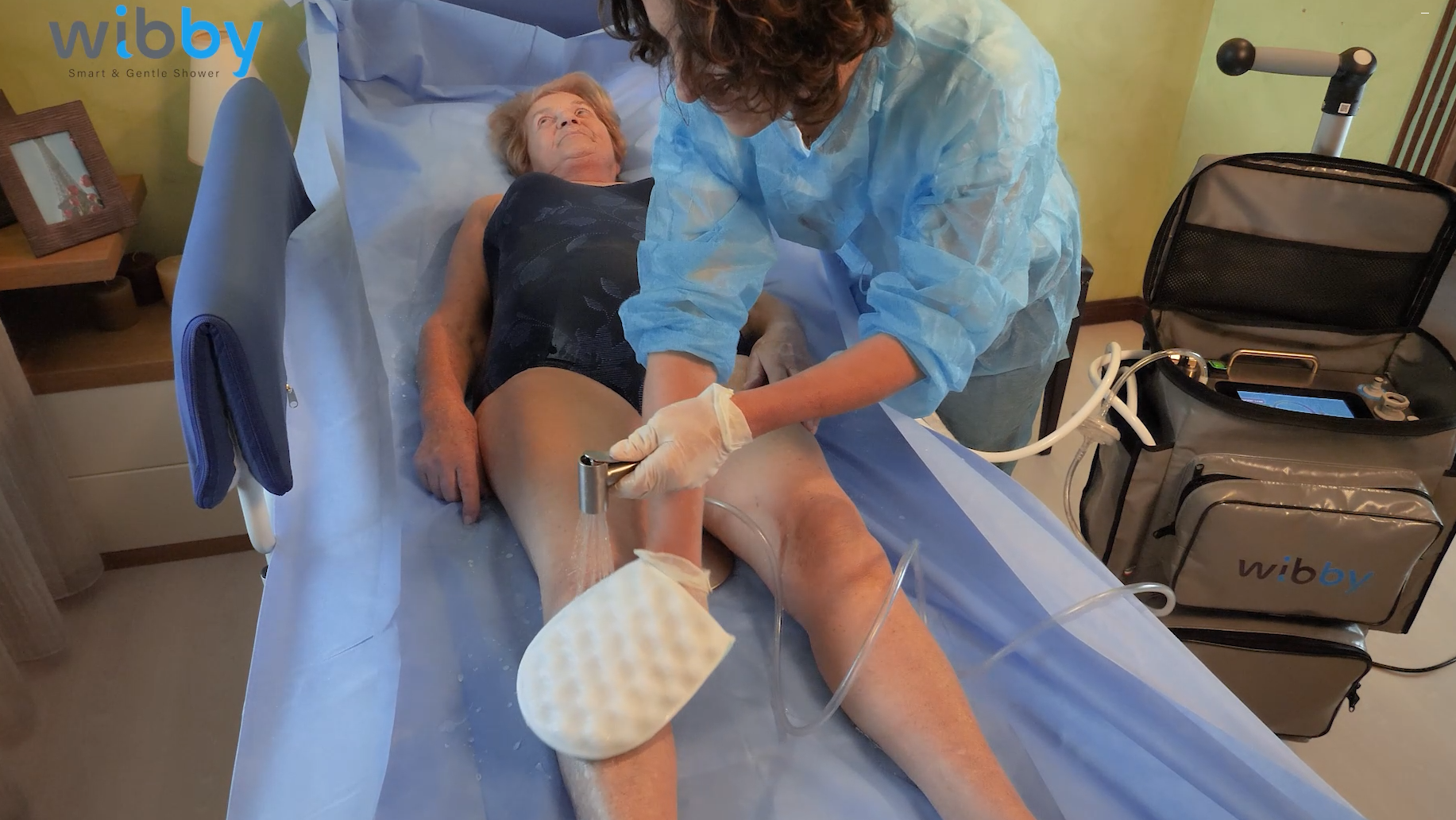
Imagine a day in the life of a nurse, juggling multiple tasks while battling fatigue and stress. Now picture that same nurse, equipped with an innovative bed shower system that not only eases their workload but also transforms the patient care experience. This is not just a dream; it's the reality that pioneering healthcare facilities are embracing. Understanding the Role of the Patient Safety Director What is a Patient Safety Director? A Patient Safety Director is a vital role in healthcare. They are responsible for ensuring that patients receive safe and high-quality care. This involves identifying potential risks and implementing strategies to mitigate them. The director collaborates with various healthcare professionals to create a culture of safety within the organization. Some of the key responsibilities include: Monitoring patient safety incidents: Tracking and analyzing incidents to identify trends. Developing safety protocols: Creating guidelines that healthcare staff must follow to minimize risks. Training staff: Educating healthcare workers about best practices in patient safety. Engaging with patients: Encouraging patients to speak up about their concerns regarding safety. Opportunities for Growth in Patient Safety Roles The field of patient safety is evolving. There are numerous opportunities for growth and development. For instance, technology is playing a significant role in enhancing patient safety. The Patient Safety Director can leverage advancements in technology to improve care delivery. Some areas of growth include: Leveraging technology: Utilizing data analytics to predict and prevent safety incidents. Engaging in training and development: Continuous education for staff to keep up with the latest safety practices. Collaborating with other healthcare professionals: Building partnerships to share knowledge and resources. Influencing healthcare policies: Advocating for changes that promote patient safety at a systemic level. Influence on Healthcare Policy and Practice The Patient Safety Director has a significant influence on healthcare policy and practice. They can advocate for changes that prioritize patient safety. This role is crucial in shaping the standards and regulations that govern healthcare practices. For example, they can: Support research in patient safety: Contributing to studies that explore new methods for improving care. Promote a culture of safety: Encouraging open communication about safety concerns among staff and patients. Implement evidence-based practices: Ensuring that care delivery is based on the latest research and best practices. The Transformative Potential of the Patient Safety Director The Patient Safety Director has the potential to transform healthcare practices. By championing innovation and collaboration, they can ensure the safety and quality of care. This role is not just about compliance; it's about creating an environment where safety is prioritized. As one expert put it, "The Patient Safety Director must champion innovation and collaboration to ensure the safety and quality of care." - [Name] Collaboration is key. The Patient Safety Director must work closely with various departments. This includes nursing, administration, and even patients. By fostering a collaborative environment, they can create a culture of safety that permeates the entire organization. In conclusion, the role of the Patient Safety Director is multifaceted and essential. They not only oversee patient safety initiatives but also have the power to influence policy and practice. With the right approach, they can help create a safer healthcare environment for everyone.The Promise of Bed Shower Systems in Enhancing Nursing Efficiency Nursing is a demanding profession. Nurses face numerous challenges daily. One of the most pressing issues is the physical strain associated with traditional patient bathing methods. This strain can lead to serious health problems, including musculoskeletal injuries. In fact, statistics reveal that nurses experience a high rate of these injuries, often due to the heavy lifting and moving required during patient care. Physical Strain Reduction and Its Impact on Nurse Health Imagine lifting a patient multiple times a day. It’s exhausting, right? Conventional methods, like sponge baths or transferring patients to shower trolleys, require significant physical effort. This can lead to chronic pain and injuries over time. However, bed shower systems change the game. They eliminate the need for lifting and moving patients. This reduction in physical strain is crucial for nurse health. 40% decrease in nurse injuries related to traditional bathing methods. Improved overall health and well-being for nursing staff. By adopting these systems, healthcare facilities can create a safer work environment. Nurses can focus on providing quality care without the constant worry of injury. This shift not only benefits the nurses but also enhances the overall quality of patient care. Time Efficiency and Its Implications for Patient Care Time is a precious resource in nursing. The process of bathing patients can be incredibly time-consuming. This often diverts nurses from other critical care tasks. Bed shower systems streamline this process. They allow nurses to complete bathing tasks more quickly and efficiently. More time for higher-value patient care. Increased ability to attend to multiple patients effectively. With the time saved, nurses can focus on what truly matters—enhancing patient care. This efficiency not only improves the workflow but also positively impacts patient outcomes. Patients feel more cared for when nurses have the time to engage with them fully. Positive Effects on Overall Nurse Job Satisfaction Job satisfaction is vital in any profession, especially in nursing. The introduction of bed shower systems can significantly elevate nurse morale. When nurses feel supported and valued, their job satisfaction increases. This is crucial in a field where burnout is common. Studies show that facilities implementing bed shower systems reported a 30% increase in patient satisfaction scores. This improvement reflects positively on nurses. When patients are satisfied, nurses take pride in their work. They feel a sense of accomplishment and fulfillment. "Innovations like bed shower systems are essential in cultivating a healthier work environment for nurses." - [Name] By addressing the physical and emotional toll of patient bathing, these systems help mitigate burnout. Nurses can focus on less repetitive, more fulfilling aspects of their roles. This not only enhances their job satisfaction but also promotes a positive workplace culture. Addressing Key Challenges Faced by Nurses Bed shower systems tackle several key challenges in nursing. They reduce physical strain, boost time efficiency, and enhance job satisfaction. By implementing these systems, healthcare facilities demonstrate a commitment to nurse well-being. This proactive approach fosters a supportive environment, encouraging nurses to feel valued. In conclusion, the promise of bed shower systems in enhancing nursing efficiency is clear. They not only improve operational efficiency but also significantly enhance the work environment for nurses. By investing in innovative tools, healthcare institutions can retain experienced staff and create a thriving care environment.Addressing Burnout: A Cultural Shift in Healthcare Burnout among healthcare professionals, especially nurses, is a pressing issue. Recent surveys indicate that 60% of nurses report experiencing burnout due to labor-intensive tasks. This alarming statistic highlights the urgent need for change. So, how can healthcare institutions address this challenge? The answer lies in innovation, culture, and proactive strategies. The Role of Innovation in Reducing Burnout Innovation plays a pivotal role in alleviating burnout. Consider the introduction of advanced tools, like bed shower systems. These systems can transform the way nurses perform their duties. Traditional methods of patient bathing are not only time-consuming but also physically taxing. Nurses often face the risk of musculoskeletal injuries from lifting and moving patients. By adopting innovative solutions, healthcare facilities can: Mitigate Physical Strain: Bed shower systems eliminate the need for heavy lifting, reducing the risk of injuries. Boost Time Efficiency: These systems streamline the bathing process, allowing nurses to allocate more time to critical patient care. Elevate Patient Care Experience: Patients feel more comfortable and dignified, which enhances overall satisfaction. When nurses can focus on providing quality care rather than struggling with labor-intensive tasks, they experience less burnout. This shift not only benefits the nurses but also enhances patient outcomes. Cultural Implications of Adopting New Technologies Adopting new technologies isn't just about the tools themselves; it’s about changing the culture within healthcare institutions. A culture that embraces innovation signals to staff that their well-being is a priority. This cultural shift can: Promote Institutional Commitment: By investing in tools that ease nurses' workloads, institutions show they value their staff. Encourage Positive Workplace Culture: A supportive environment fosters job satisfaction, which is directly linked to employee retention. Attract Talent: Forward-thinking institutions are more appealing to potential hires, creating a competitive edge in recruitment. As one expert aptly put it, "Investing in nurse welfare isn't just ethical; it's a strategic business decision." - [Name] This statement encapsulates the essence of why cultural change is vital. Strategies to Improve Nurse Well-Being and Retention To effectively combat burnout, healthcare institutions must implement proactive measures. Here are some strategies that can make a significant difference: Provide Supportive Measures: Organizations that offer resources and support see a 25% increase in nurse retention rates. Encourage Open Communication: Creating channels for nurses to voice their concerns can lead to actionable changes. Invest in Training and Development: Continuous education helps nurses feel competent and valued. These strategies not only improve nurse well-being but also enhance job satisfaction. When nurses feel supported, they are more likely to stay in their roles, reducing turnover and the associated costs. In summary, addressing burnout in healthcare is not just a matter of implementing new technologies. It requires a comprehensive cultural shift that prioritizes nurse welfare. By embracing innovation and fostering a supportive environment, healthcare institutions can create a sustainable and thriving workplace for their staff.The Future of Patient Care: Integrating Technology for Better Outcomes The landscape of healthcare is changing rapidly. Emerging technologies are reshaping the way patient care is delivered. From telemedicine to advanced bed shower systems, these innovations are not just trends; they are essential tools for improving outcomes. How can healthcare providers harness these advancements effectively? Let’s explore. Emerging Healthcare Technologies and Their Role in Patient Care Technology is becoming a cornerstone of patient care. It enhances efficiency, improves communication, and elevates the overall patient experience. Consider the following: Telemedicine: This allows patients to consult with healthcare professionals remotely. It’s especially beneficial for those in rural areas or with mobility issues. Wearable Devices: These gadgets monitor vital signs in real-time, providing crucial data that can lead to timely interventions. AI and Machine Learning: These technologies analyze patient data to predict health outcomes and personalize treatment plans. These innovations not only streamline processes but also foster a more patient-centered approach. They empower patients to take an active role in their health management. Future Predictions for Nursing Tools and Practices As technology continues to evolve, so too will the tools available to nurses. Future predictions suggest a significant shift in nursing practices: Increased Automation: Routine tasks will be automated, allowing nurses to focus on direct patient care. Enhanced Training Programs: Virtual reality (VR) and augmented reality (AR) will be used for training, providing immersive learning experiences. Data-Driven Decision Making: Nurses will rely more on data analytics to inform their care strategies. These advancements will not only improve patient outcomes but also enhance job satisfaction for nurses. After all, who wouldn’t prefer spending more time with patients rather than on paperwork? Strategies for Healthcare Leaders to Leverage Innovation Healthcare leaders play a pivotal role in integrating technology into patient care. Here are some strategies they can adopt: Invest in Training: Continuous education on new technologies is crucial. Staff should feel confident using the latest tools. Foster a Culture of Innovation: Encourage staff to share ideas and feedback on technology use. This creates a collaborative environment. Utilize Case Studies: Learn from facilities that have successfully integrated new systems. For instance, the implementation of bed shower systems has shown remarkable results in enhancing nurse retention and patient satisfaction. By adopting these strategies, healthcare leaders can create an environment that embraces change and innovation. Case Studies and Trends in Healthcare Technology Adoption Looking at real-world examples can provide insight into the benefits of technology integration. For instance, facilities that have adopted bed shower systems report: Reduced physical strain on nurses, leading to fewer injuries. Increased time efficiency, allowing nurses to focus on higher-value tasks. Improved patient experiences, which boosts overall satisfaction scores. These trends highlight the positive impact of technology on both patient care and nursing practices. As one expert aptly stated, “The future of healthcare relies on our ability to adapt and integrate new technologies seamlessly.” - [Name] In conclusion, the integration of technology in patient care is not just a luxury; it’s a necessity. As healthcare continues to evolve, embracing these innovations will lead to better outcomes for patients and a more fulfilling work environment for nurses. The future is bright, and those who adapt will thrive in this new landscape.TL;DR: Innovative bed shower systems significantly enhance workplace efficiency for nurses, promoting better job satisfaction, reducing burnout, and ultimately leading to a superior patient care experience.
Mar 18, 2025 • 11 Minutes Read